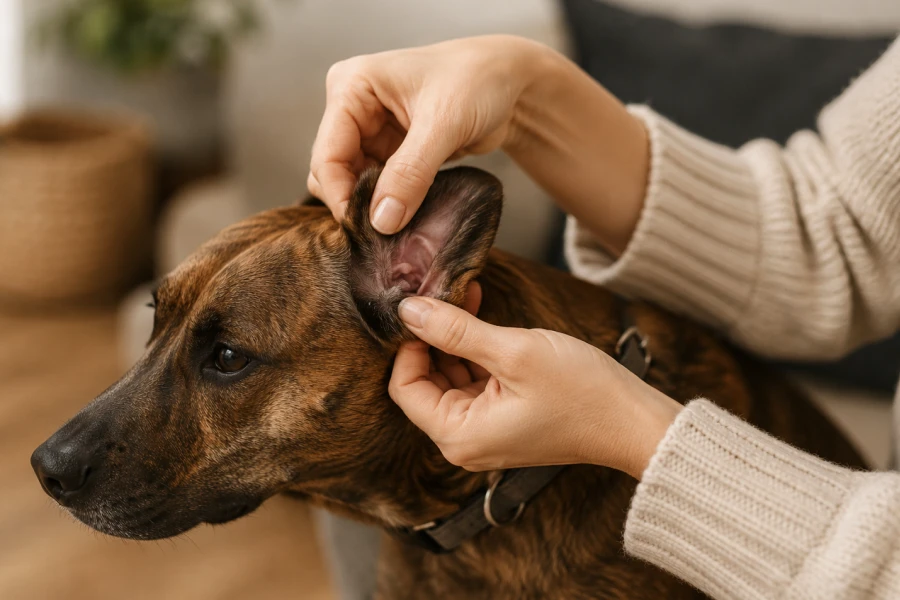
Small pests can create big problems before owners notice obvious signs. A daily flea and tick check builds protection into ordinary pet care. It helps you spot trouble early, respond faster, and prevent discomfort from spreading. This habit matters for cats, dogs, indoor pets, and outdoor explorers. Fleas and ticks do not wait for convenient moments. They hide in fur, bedding, grass, and warm spaces. A simple routine gives you confidence. It also turns prevention into an act of everyday care.
Early detection changes the outcome. A single missed tick can stay attached longer than expected. Fleas can multiply quickly once they enter the home. Scratching may appear after the problem has already grown. A pet parasite prevention routine helps owners stay ahead of that cycle. The habit does not need to feel dramatic. It only needs to feel consistent, calm, and thorough.
Your pet’s comfort affects the quality of the check. Choose a quiet place with good lighting. Use a towel, mat, or familiar blanket. Keep treats nearby if your pet responds well to rewards. Avoid chasing or forcing the inspection. Start when your pet feels relaxed. Gentle handling builds cooperation over time. A stressful routine can make future checks harder. A calm routine turns the process into predictable care. That predictability helps pets accept touch in sensitive areas.
Work in the same order each time. Begin around the ears, neck, chin, and collar area. Move along the shoulders, back, belly, legs, paws, and tail base. Part the fur gently so you can see the skin. Watch for tiny dark specks, redness, scabs, swelling, or attached ticks. A head-to-tail pet inspection keeps you from skipping common hiding spots. Repetition makes the habit faster and more accurate.
Many owners check only the back or visible coat. Pests often hide where fur is dense or skin feels warm. Ears, armpits, groin, toes, and collar lines deserve extra attention. Bedding also matters. Flea dirt may show up where pets sleep before you notice insects on the body. Watch behavior too. Sudden scratching, licking, restlessness, or skin sensitivity can signal discomfort. The best routine combines visual checking, touch, and awareness of small behavior changes.
Outdoor exposure increases risk, especially after walks, hikes, yard play, or contact with tall grass. Check your pet after outdoor activity, not only before bedtime. Keep a comb, towel, and bright light near the door if possible. A flea and tick detection method becomes easier when supplies are ready. Fast checks after exposure help prevent pests from moving deeper into fur or spreading indoors.
If you find a tick, remove it carefully with the right tool or contact your veterinarian for advice. If you suspect fleas, inspect bedding, carpets, and other pets. Do not rely only on scratching as proof. Some pets react strongly, while others show subtle signs. Follow veterinary recommendations for prevention and treatment. Avoid mixing products without guidance. Pet size, age, health, and species all matter. Quick action works best when it stays safe and informed.
The routine may feel slow at first. Soon, your hands learn the normal feel of your pet’s coat and skin. That familiarity makes changes easier to notice. A daily pet health habit also strengthens trust. Your pet receives gentle attention. You gain peace of mind. The check becomes less like a task and more like quiet protection.




Leave a comment