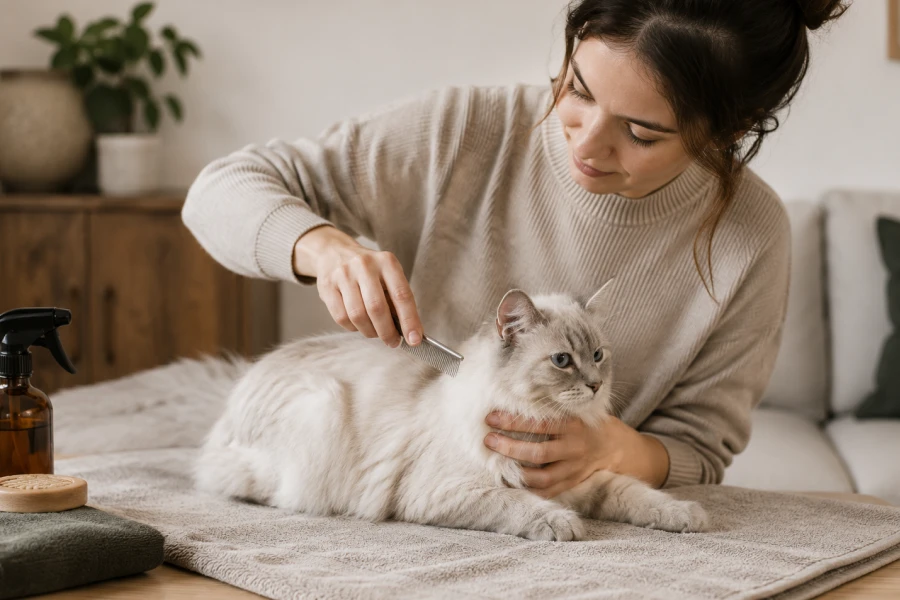
Waiting for scratching can leave your pet uncomfortable for too long. When you check for fleas and ticks daily, you act before irritation becomes obvious. This small habit helps protect skin, comfort, and household cleanliness. It also gives owners a clearer sense of what is normal for their pet. Fleas and ticks are easier to manage when caught early. A daily look takes only a few focused minutes. Those minutes can prevent bigger problems, costly treatments, and unnecessary stress.
Early checks catch subtle signs before pests spread. You may notice flea dirt, skin redness, tiny bumps, or an attached tick. These details can appear before dramatic scratching begins. A early pest detection routine gives you more control. It also helps you respond calmly instead of reacting during a larger infestation. Prevention feels easier when it becomes part of normal care.
A new routine succeeds when it attaches to something you already do. Check after walks, grooming, feeding, or evening cuddles. Keep tools near the place where the habit happens. Good lighting matters. A comb, towel, and treat can make the process smoother. Choose a consistent time, but stay flexible after outdoor exposure. The habit should feel simple enough to repeat. Complicated routines often fade. Small routines last because they fit naturally into daily life.
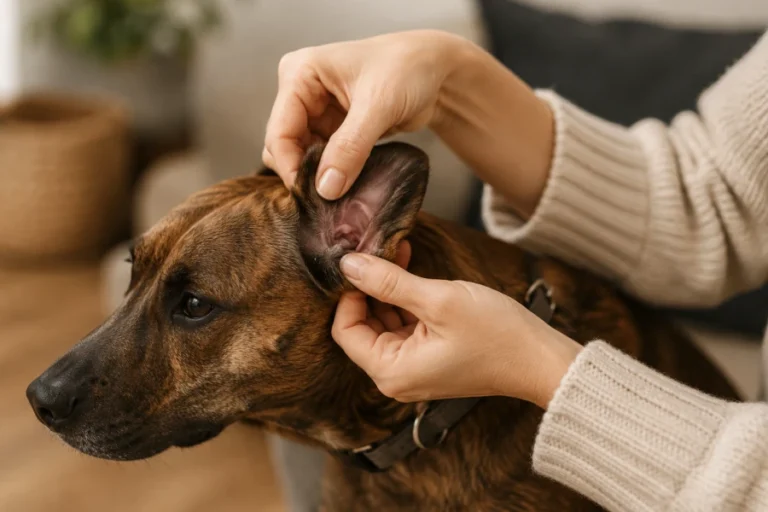
Gentle handling matters. Start with areas your pet already likes being touched. Move slowly toward sensitive places like paws, ears, belly, and tail base. Praise calm behavior. Pause if your pet becomes tense. A gentle pet inspection process teaches cooperation over time. Never turn the check into a struggle. A calm pet lets you inspect more thoroughly, which makes the routine safer and more effective.
Fleas and ticks often hide where owners least expect them. Check around the ears, under the collar, between toes, near the tail base, and along the belly. Dense fur needs extra attention. Part the coat carefully and look at the skin, not just the surface. For long-haired pets, use your fingers slowly. Feel for bumps or attached pests. Good inspections combine sight and touch. Over time, you learn which areas need the most attention for your individual pet.
Outdoor activity increases exposure. Grass, leaves, trails, parks, and other animals can all bring risk. Checking after outdoor time helps catch pests before they settle. A post-walk flea and tick check is especially useful during warmer months. It also helps after travel, boarding, grooming visits, or playdates. Think of the inspection as a quick reset before your pet returns to beds, couches, and rugs.
Stay calm if you find a pest or suspicious sign. Remove ticks with proper tools, or ask your veterinarian for guidance. If you suspect fleas, inspect bedding and other pets. Wash washable items as appropriate. Vacuum areas where your pet rests. Contact your veterinarian before using treatments, especially for young, elderly, pregnant, or medically sensitive pets. Correct response matters as much as detection. Safe action protects your pet without creating new risks from unsuitable products.
Daily checking gives owners confidence because it reduces uncertainty. You know what your pet’s skin usually looks like. You notice changes sooner. You respond with less panic. A year-round pet protection habit also supports a cleaner home. The routine is small, but the payoff feels large. Your pet stays more comfortable, and you stay better prepared.



Leave a comment