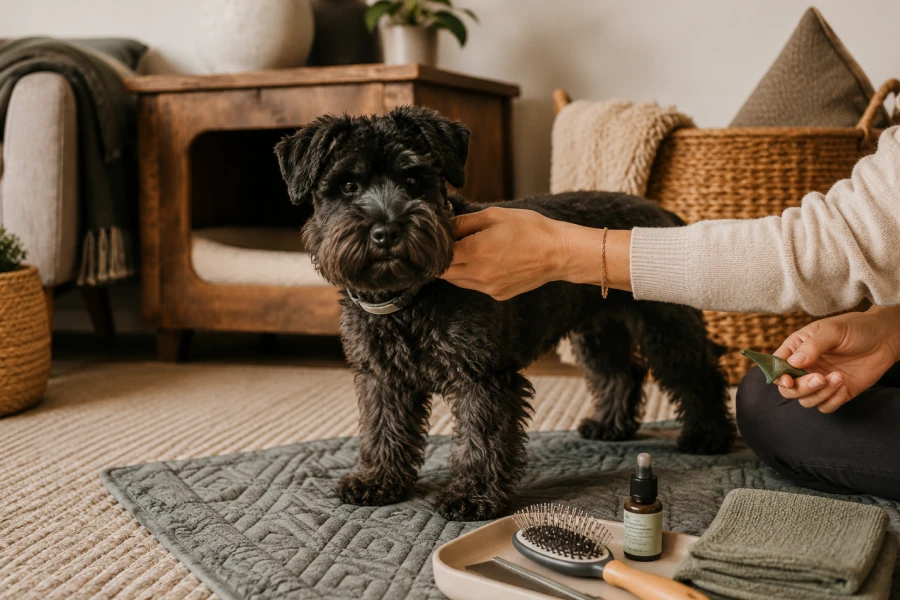
Pet care feels calmer when prevention has a rhythm. A flea and tick prevention routine helps owners stay consistent before pests cause discomfort. It combines daily checks, clean bedding, smart outdoor habits, and veterinary guidance. The routine does not need to feel overwhelming. It should feel repeatable and clear. Pets benefit from gentle attention. Owners benefit from fewer surprises. The home also stays cleaner when prevention starts early. Peaceful care comes from small habits practiced often.
Consistency matters because pests do not appear on a schedule that suits you. One skipped week can allow fleas to spread. One missed tick can stay hidden under fur. A consistent pet wellness routine makes prevention less emotional. You are not waiting for scratching, panic, or visible irritation. You are staying prepared. That simple shift makes care feel more confident and less reactive.
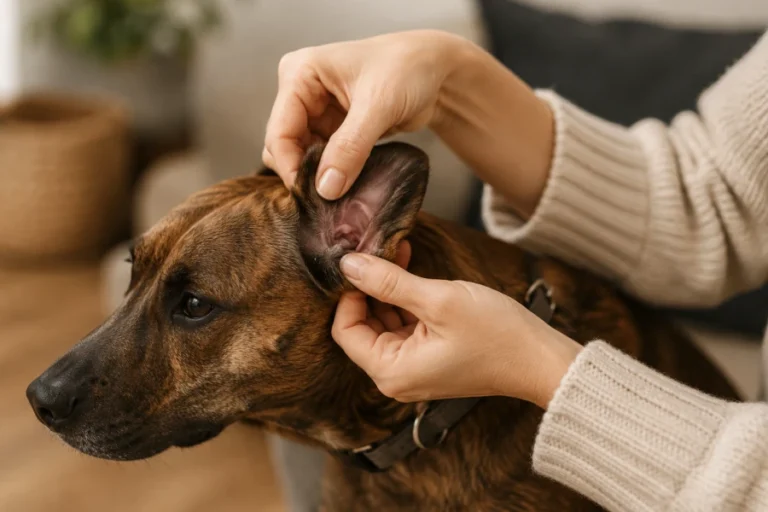
Daily awareness does not require a long exam every time. It means noticing your pet’s coat, skin, behavior, and comfort. During petting, feel for bumps or sensitive areas. During grooming, look for dark specks or redness. After outdoor activity, check common hiding spots. This awareness becomes easier with repetition. You learn your pet’s normal patterns. Then changes stand out faster. Prevention improves when owners know what healthy skin and relaxed behavior usually look like.
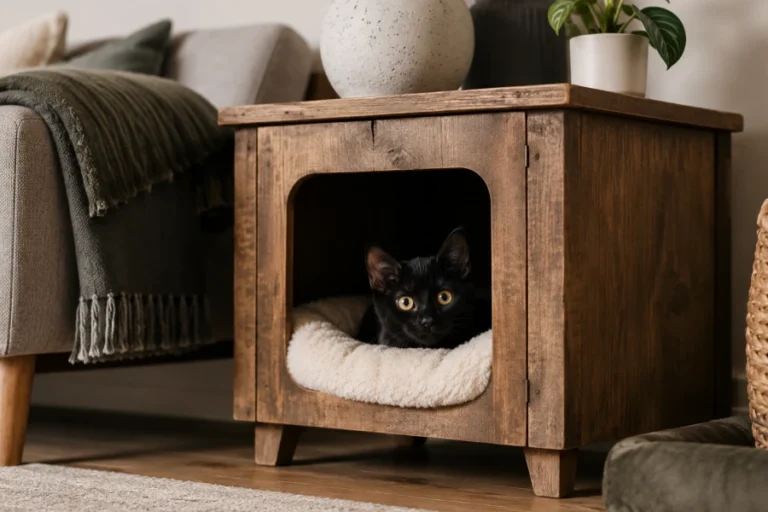
The home environment supports prevention. Wash pet bedding regularly. Vacuum areas where your pet rests. Keep outdoor gear organized. Store inspection tools in a visible place. A clean home pet care system helps reduce the chance of pests lingering unnoticed. Prevention is not only what happens on your pet’s body. It also includes the places where your pet sleeps, plays, and relaxes.
Walks, yards, parks, and trails all affect exposure. You do not need to avoid outdoor joy. You need smarter habits around it. Check your pet after time in grass, brush, or wooded areas. Keep yard spaces tidy where possible. Brush long coats after high-risk outings. Watch seasonal changes in pest activity. A calm routine after outdoor time helps your pet transition back indoors comfortably. It also gives you a chance to catch problems before they spread.
Common mistakes often come from assumptions. Some owners believe indoor pets have no risk. Others check only when scratching begins. Some rely on one product without inspecting the skin. A smart pest prevention plan avoids those gaps. It combines observation, cleaning, outdoor awareness, and professional advice. No single habit does everything. Several simple habits work together much better.
Veterinary guidance helps owners choose safe prevention methods. Pets differ by species, weight, age, health, and lifestyle. A product that works for one animal may be wrong for another. Always follow label directions and professional recommendations. Ask questions if your pet has sensitivities, medication needs, or previous reactions. Prevention should reduce risk, not create it. Smart owners treat professional advice as part of the routine, especially when pests appear or exposure increases.
The best prevention routine rarely feels dramatic. It feels like a clean bed, a quick inspection, a calm pet, and fewer anxious surprises. A daily flea control habit supports comfort all year. You become more observant. Your pet becomes more used to gentle handling. The home feels easier to manage. Quiet prevention is powerful because it works before trouble becomes obvious.


Leave a comment