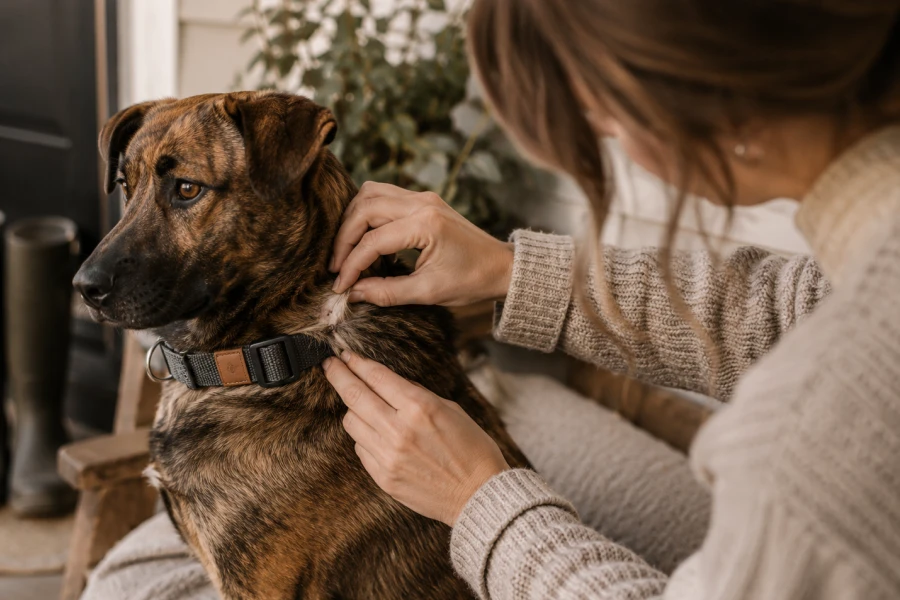
Ticks are easy to miss when you do not know where to look. A pet tick inspection routine helps owners slow down, check carefully, and respond with confidence. This skill matters after walks, yard time, travel, grooming visits, or contact with other animals. It also matters for pets with thick coats or sensitive skin. A good inspection is gentle, organized, and consistent. It protects your pet from prolonged attachment. It also helps you notice skin changes before they become harder to manage.
Ticks often attach in warm, hidden areas. They may sit near ears, collars, toes, armpits, or the tail base. Pets may not show discomfort immediately. That delay makes inspection important. A tick removal preparedness mindset helps owners act faster if they find something. Knowing what to check reduces panic. It also turns prevention into a practical skill rather than a vague worry.
A rushed inspection can miss details. Choose bright light and a calm surface. Keep a fine-tooth comb, towel, gloves if preferred, and proper tick removal tool nearby. Offer treats if your pet responds well to them. Avoid starting when your pet feels overstimulated. A relaxed setup improves cooperation. It also helps you inspect sensitive areas more thoroughly. Preparation turns a difficult task into a repeatable care moment. The easier the setup feels, the more consistently you will do it.
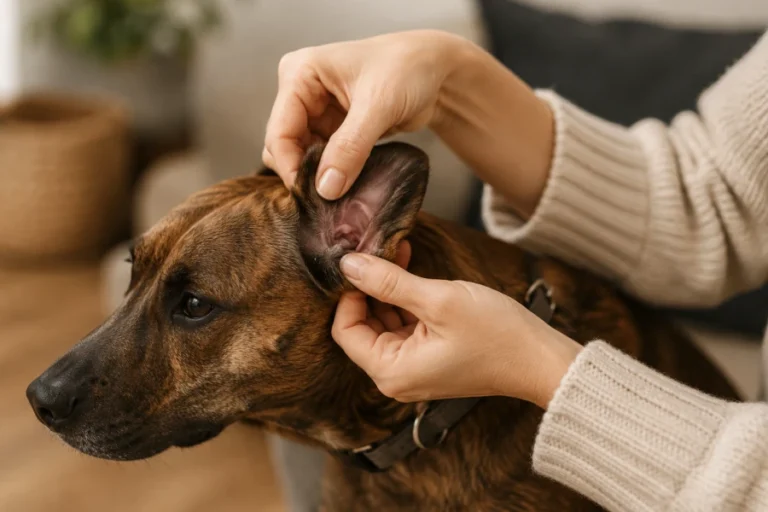
Use the same pattern every time. Begin around the head, ears, and neck. Check under collars and harness contact points. Move down the shoulders, back, belly, legs, paws, and tail. Part dense fur gently. Feel for small bumps against the skin. A nose-to-tail pest check keeps the routine organized. Consistent order helps you avoid missed spots, especially with restless pets or thick-coated breeds.
A tick may look like a tiny dark bump, seed, or raised spot attached to the skin. Do not pull randomly with fingers. Look closely before touching. Skin redness, swelling, scabs, or sensitivity may also deserve attention. Flea dirt can appear as dark specks, which is different but still important. If you feel unsure, contact your veterinarian. It is better to ask early than guess incorrectly. Familiarity improves over time as you inspect your pet more often.
Exposure increases after parks, trails, wooded areas, tall grass, boarding, or travel. Make inspection part of the return-home routine. Check before your pet settles into beds or couches. A post-adventure pet care routine helps prevent pests from moving indoors unnoticed. It also trains you to connect risk with action. Outdoor fun stays easier when prevention follows naturally afterward.
If you find a tick, use the right removal method or seek veterinary support. Pulling incorrectly may leave parts behind or irritate the skin. Clean the area as advised. Watch your pet afterward for changes in appetite, energy, swelling, or unusual behavior. Keep notes if your veterinarian asks for details. Avoid applying random substances to the tick. Safe removal matters. The goal is not only speed. The goal is careful action that protects your pet’s health.
Confidence grows through repetition. At first, inspection may feel awkward. Soon, you know your pet’s coat, favorite sensitive spots, and normal skin texture. A pet health monitoring habit strengthens that awareness. Your pet also learns that inspection can be calm and gentle. This skill becomes part of responsible care. It gives you peace of mind without turning every outing into anxiety.


Leave a comment